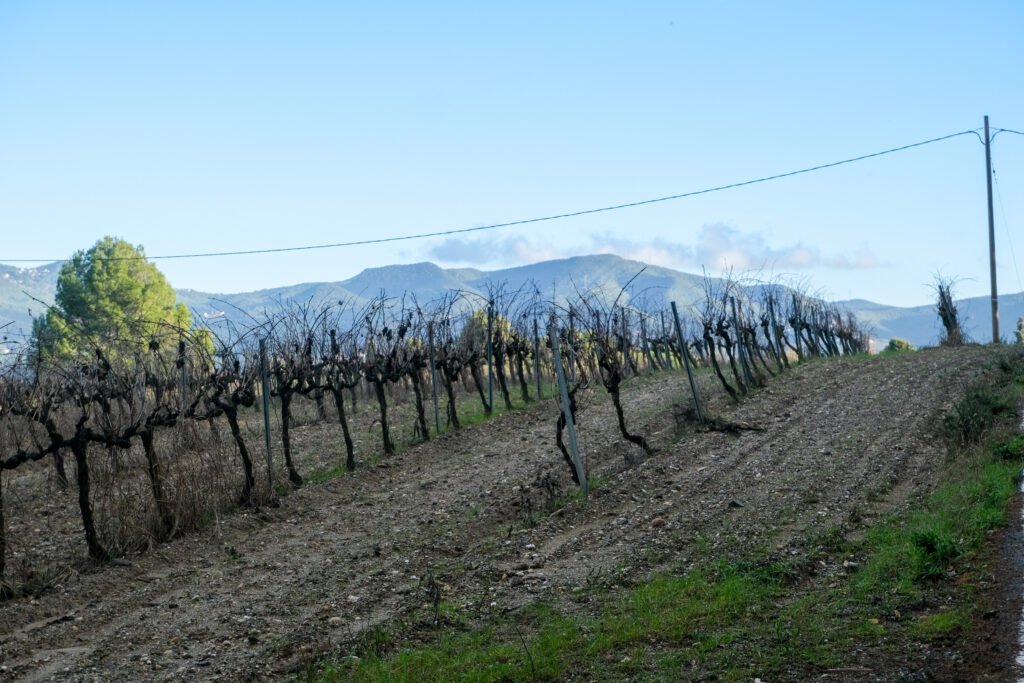
Visit to the Cava Region
In February 2026, I was invited by the Cava Academy to visit the Cava region of Spain to learn more about Cava and to undertake the Advanced Cava Educator Qualification. Cava is actually produced in four regions of Spain, but by far the largest of these is Comtats de Barcelona which is where my visit took place. This region represents around 95% of total Cava production.
What is Cava?
Cava is a high-quality sparkling wine produced using the traditional method. Nine different grape varieties can be used in Cava production (5 white and 4 red), although most Cava is made from three varieties – Macabeo, Xarel·lo and Parellada. All Cava is aged on its lees for a minimum of at least 9 months, although some is aged considerably longer. Both white and rosé styles are permitted and rosé Cava must have at least 25% of a red variety in the blend.
About the Comtats de Barcelona region
Cava production in this region dates back to 1872 where the first bottles were produced in Sant Sadurní d’Anoia. This town is now considered the capital of Cava. The region lies about 30 minutes or so outside of Barcelona, in Cataloniain the North East of Spain. As you would expect the climate here is mostly Mediterranean, although inland there are more continental features.
The region experiences around 2,500+ hours of sunshine a year, which means that, unlike in other sparkling wine producing regions such as Champagne, grapes can achieve full ripeness. This means that wines can be made in drier styles, without taking on unpleasant green characteristics. As a result, there are a lot more Brut Nature style Cavas which showcase the pure grape characters.
About the Regulatory Council of the Cava D.O.
My visit began with some time spent at the Cava D.O. headquarters which are located in Vilafranca del Penedès. This is where the regulatory council is located. The council serves a multitude of functions among which are ensuring the protection and quality of the Cava products, promotion of the Cava brand, as well as providing education through the Cava Academy. The council was established in 1991, and since then has been developing and refining Cava as a world wide brand.
Cava is the third most widely exported sparkling wine in the world after Champagne and Prosecco. The council, therefore undertake a significant amount of international promotion. My visit was focused primarily on learning more about Cava in order to undertake more educational activities for others on my return to the UK.
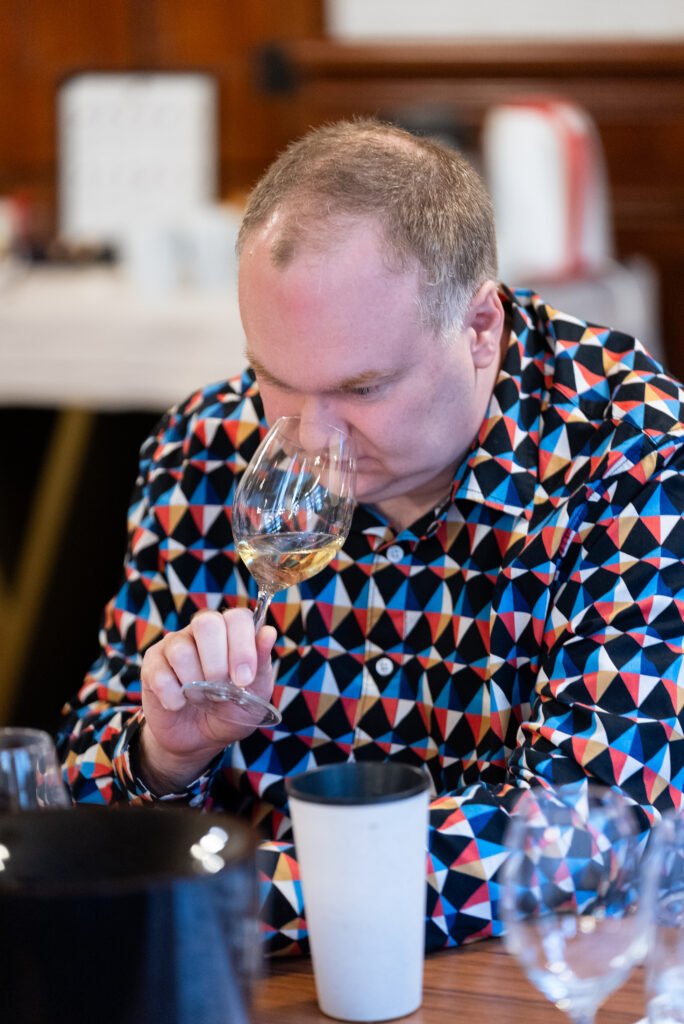
The visit began with a presentation about Cava production by the D.O. team. This was a great opportunity to learn more about Cava, the grape varieties used, the different categories, production zones and lots of other interesting information. It was very evident that the team very much enjoy their work and are extremely proud of their region.
A blind tasting
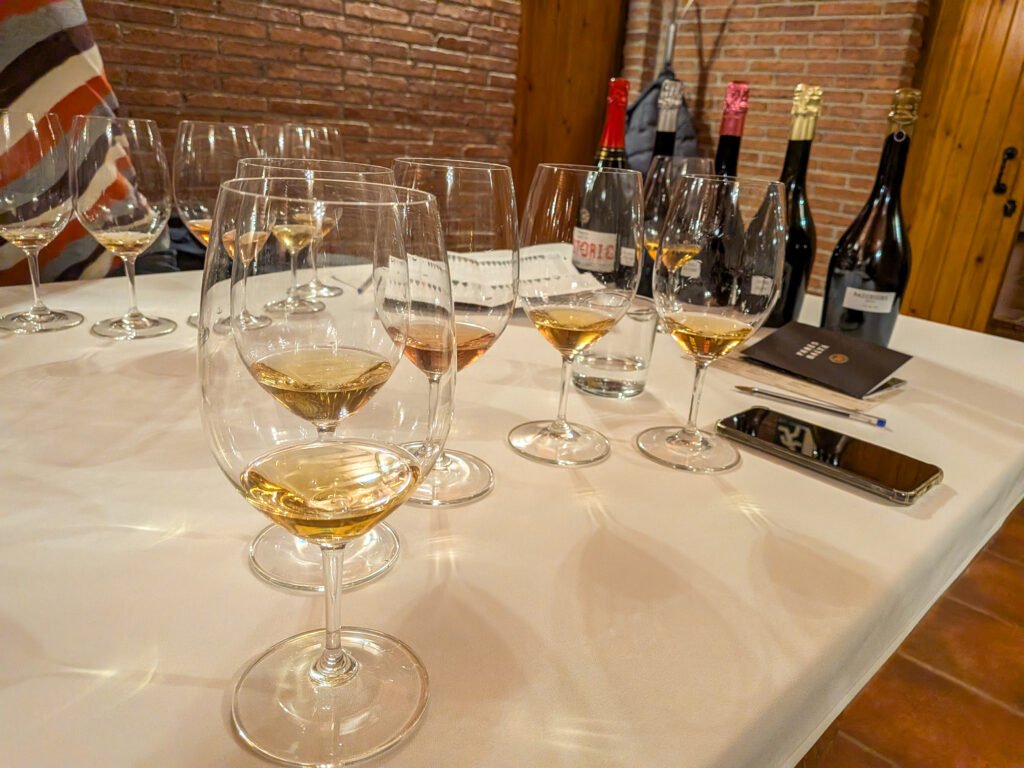
After the presentation, we moved into a blind tasting with David Forer MW. This was a really unique opportunity to taste our way through the different variations of Cava. David is one of only 7 Masters of Wine, living in Spain and can also claim to be a wine maker, having purchased his own vineyard. In the first wine flight, we tasted our way through the different quality categories. These categories are based (among other things) on how long the wine is aged on its lees following the second fermentation.
I have written elsewhere about the styles of cava in more detail, but in brief:
- Cava de Guarda is aged for at least 9 months on its lees
- Cava de Guada Superior Reserva is aged for at least 18 months on its lees
- Cava de Guarda Superior Gran Reserva is aged for at least 30 months on its lees
- Cava de Guarda Superior Paraje de Calificado is aged for at least 36 months on its lees
While these figures are the minimum, in practice, wines are often aged much longer. After around 15 months, the wines begin to benefit from the aging process and develop new flavours and aromas. In addition to the aging requirements, superior quality wines now all have to be organic, and the higher categories also permit lower yields per hectare to guarantee the quality of the juice.
Tasting through the wines it was interested to get a feel for the aromas and flavours which age brings out.
The second flight was focused on the different grape varieties and trying to get a sense of the aromatic and flavour profiles each variety produces. Because most Cavas are a blend of varieties, this is more subtle than it might be in a single varietal wine which made this a more challenging exercise. The permitted varieties are:
- Macabeo (also known as Viura)
- Xarel·lo
- Parellada
- Chardonnay
- Subirat Parent (also known as Malvasía)
- Trepat
- Monastrell
- Pinot Noir
- Garnacha Tinta
Each variety has different qualities it adds to a blend, and it was really interesting to see if it was possible to detect that in the wines we tasted. It was interesting to try to detect the honey and peach notes from Macabeo, the fennel / herby character in the Xarel·lo and the floral aromas in the Parellada.
The final flight was a little more complicated and focused on the sweetness level as well as the other characteristics of the wines. Cava can be made in various sweetness levels which include:
- Brut Nature – 0 to 3g per litre of residual sugar
- Extra Brut – 0 to 6 g per litre of residual sugar
- Brut – 0 to 12 g per litre of residual sugar
- Extra dry – 12 to 17 g per litre of residual sugar
- Dry – 17 to 32 g per litre of residual sugar
- Semi-dry – 32 to 50 g per litre of residual sugar
- Sweet – 50+ g per litre of residual sugar
Superior quality Cava can only be made in Brut Nature, Extra Brut or Brut styles.
One of the things which was obvious was that drier styles did not necessarily taste sharp or acidic because of the ripeness of the grapes, so the mouthfeel became more important in checking the style.
Lunch at Restaurant Mirador de les Caves
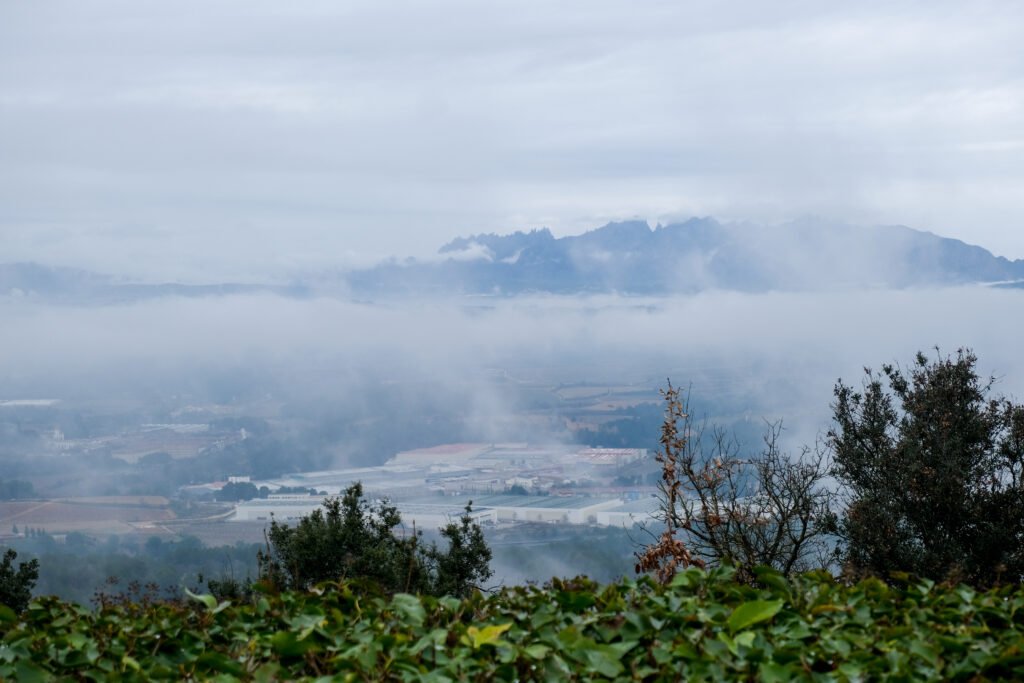
After all that tasting, we headed off for lunch and some more wines at Restaurant Mirador de les Caves. This restuarant has the luxury of being situation with a view which looks over the valley. As we arrived the clouds were low enough that we were almost level with them as they hovered over the valley which made the scenery stunning.
We had a very nice vegetable dish, followed by some Spanish chicken and a cheesecake. This was accompanied by wines from the D.O. Each year the D.O. chooses the best wines in each category and bottles them under a specific D.O. label and so we had some of the best wines that the Cava D.O. has to offer with our lunch.
Respect pruning lesson at Oliver Viticultors
One of the things I really value about the Cava D.O. is their commitment to sustainable wine making. Organic wine making is now mandatory for the best category wines, and the D.O. is very proactive in promoting sustainable practice in all aspects of the wine making process from the grape growing and harvesting, water and energy conservation, through to reducing bottle weight to reduce carbon emissions during transport.
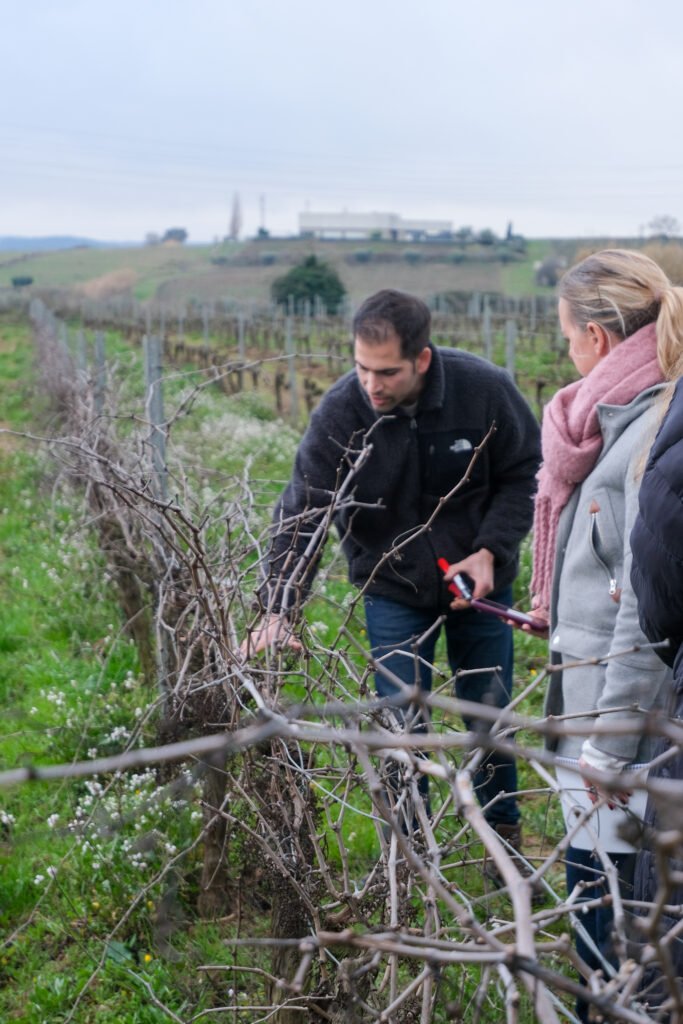
After lunch I had the opportunity to visit a vineyard to learn about Respect pruning. This method of pruning helps to extend the lifespan of the vines and supports them in producing high quality fruit. The method clearly works because the wines we tasted after the tour were all very good.
The best of the the best – Paraje de Calificado
Not satisfied with having a Reserva and Gran Reserva category, the Cava D.O. came up with a level even beyond that – the Cava de Guarda Superior Paraje de Calificado. This is reserved only for the absolute crème de la crème of Cavas. To even be in with a shout your vines have to be at least 10 years old. You must also be harvesting by hand – no machines allowed. The wines must be produced and bottled on site. Oh, and you’re also only going to be able to extra 8,000L of juice per hectare. Wines are aged for a minimum of 36 months, but in practice, many much longer.
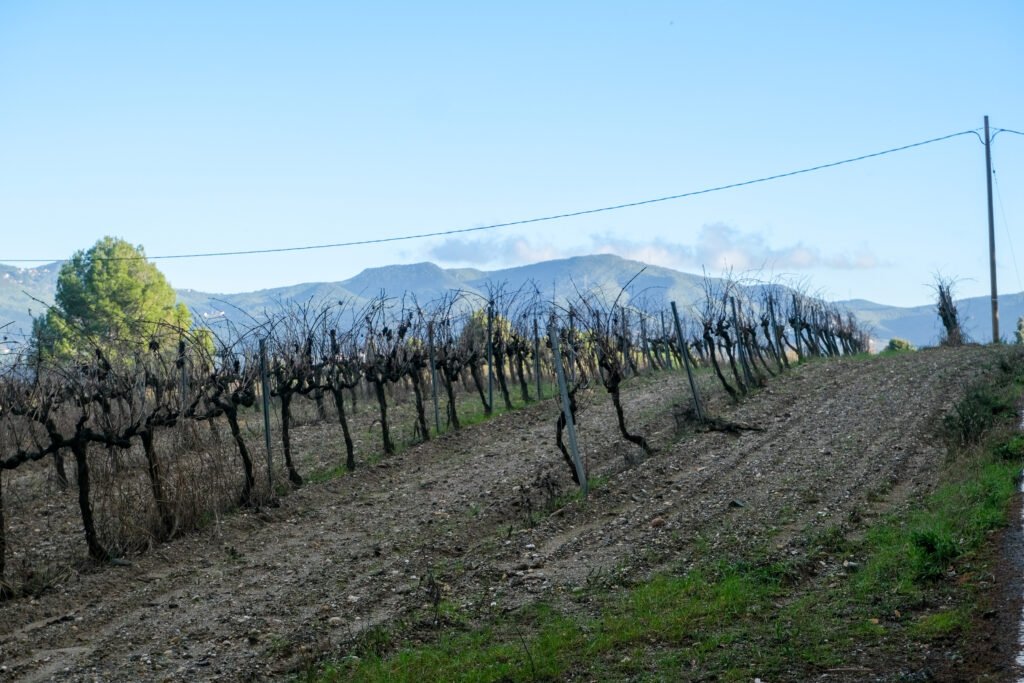
Visiting the Vins El Cep vineyard was, therefore, an amazing experience, as they are one of only 8 vineyards who have the Paraje de Calificado badge. It was amazing to visit the specific vineyard and see the actual parcels of land in which the grapes are grown and hear from the owner about the specific requirements and production methods involved. It didn’t hurt that the Monserrat mountains were in the background either!
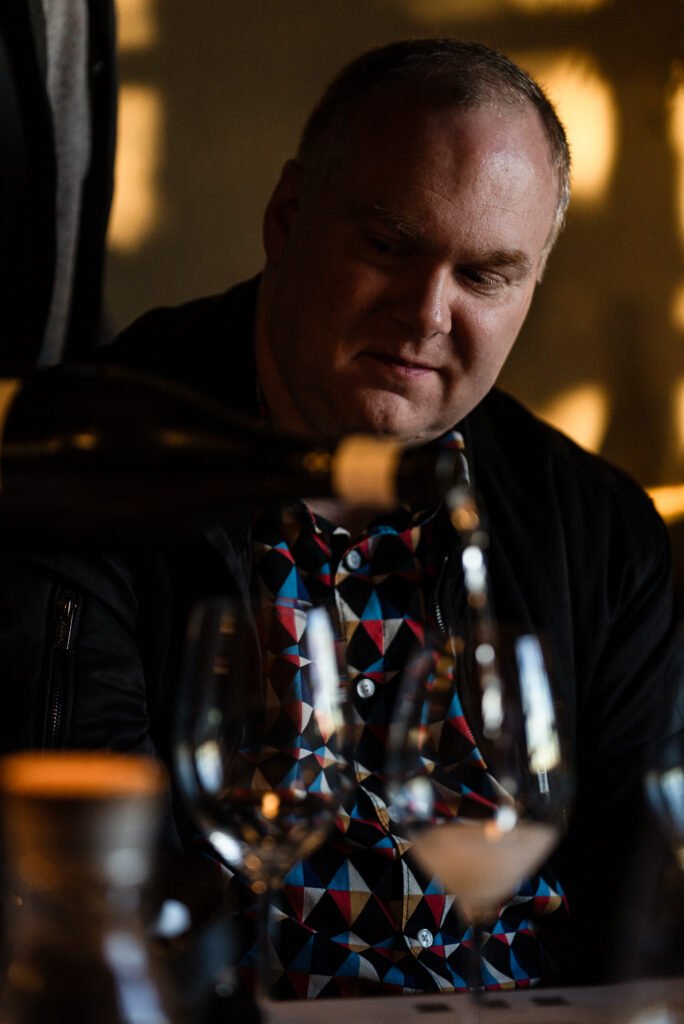
To be fair, all the wines we tasted were very nice Cavas. It was obvious that the vineyard was maintaining high standards not just in their top category wines, but across the board. The vineyard produces around 350,000 bottles a year, but also sell grapes to other producers.
As a Paraje producer, the wines have to not only fulfil the written criteria, but they need to have a distinctive personality or character. The soils here contribute towards that, as they have a higher level of sand in them than is typical in the region, and this and other factors mean a greater minerality in the wines. The vineyard also has no problem meeting the 8,000KG per hectare requirement, in a good year they might achieve 5,000, and in a bad year 3,000. This means the fruit is really high quality.
In understanding the Paraje category, it is perhaps useful to know that it is a step beyond the French Grand Cru system. The requirement that all the wine is produced on site is amazing for quality, but obviously means that in a bad year, a winery cannot bulk out their harvest with purchased grapes.
The wine we tasted in the Paraje category was very obviously a well produced wine, with clear signs of aging. I have perhaps tasted 10 or so wines in my lifetime that have made me stop in my tracks and contemplate the meaning of life, but I would say this one was up there. It was even more amazing then, that this wine was around 40 euros to buy. A champagne of similar age and quality would be running into hundreds of euros. I returned to the UK with a bottle!
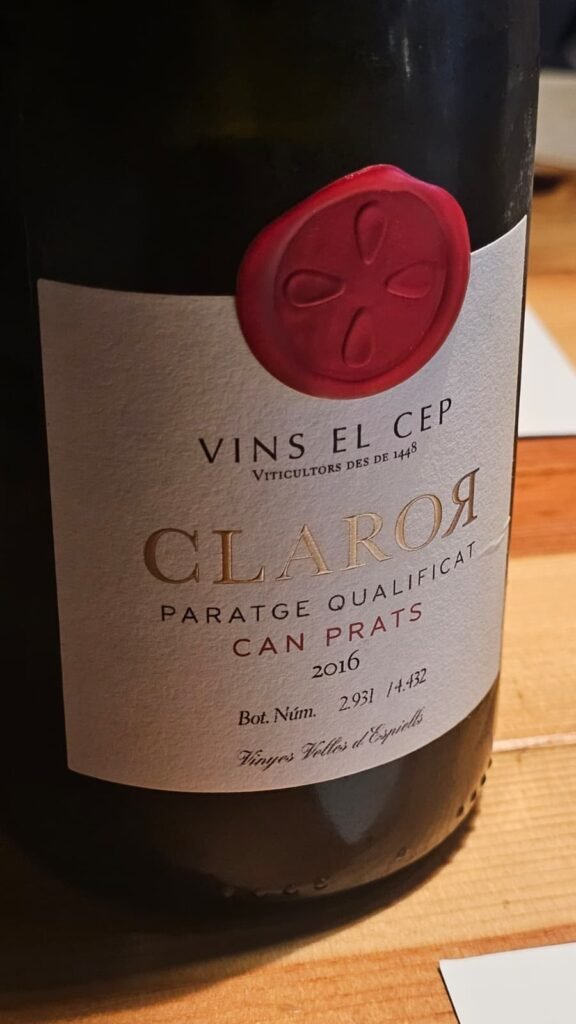
The wine was 10 years old! And yet it still had a remarkable freshness to it. It also turns out that the winery has just secured a second wine in this category, so they are clearly doing something right. For me, the visit was one of the things I was most excited about when I embarked on the trip and saw the itinerary and it absolutely did not disappoint.
The traditional method
It wasn’t until the third vineyard of the first day that I think the penny dropped that all along we’d been picking up little bits of knowledge which were going to be included in the exam. Our third visit was to Parés Baltà winery, where we were given a talk on the traditional method. In all honesty I did relax a little during this visit as I was pretty confident around the traditional method.
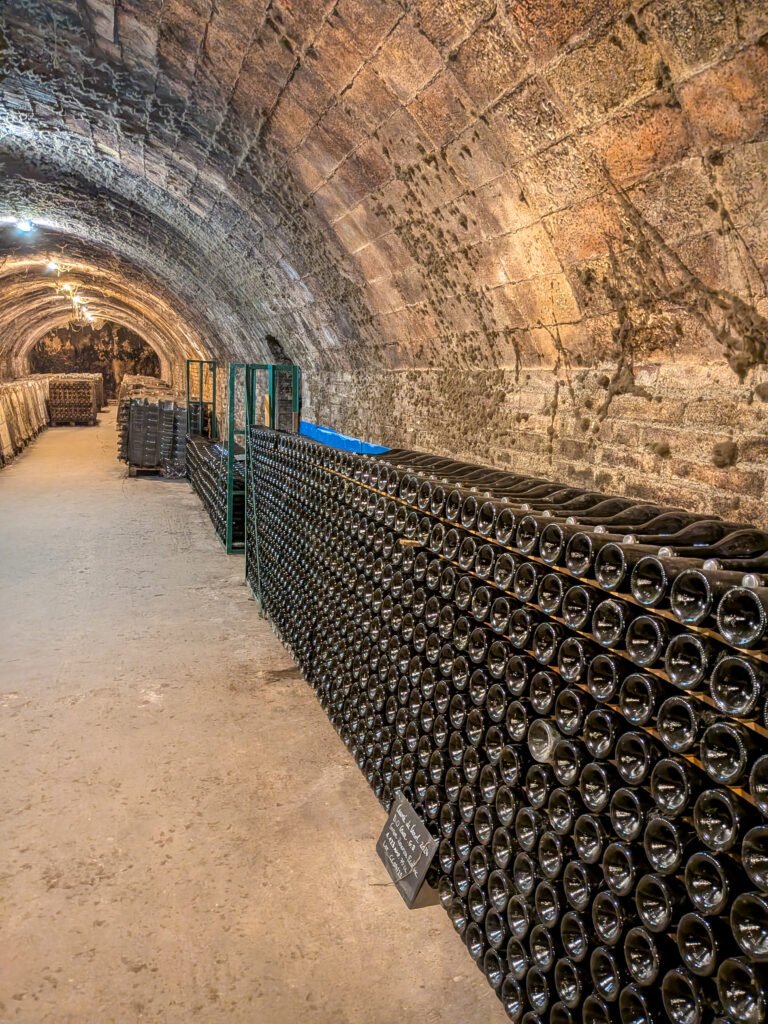
Again, the wines here were all stunning. For me, I very much enjoyed the rosé, which I bought a bottle of. However, it was really nice to try some other styles of Cava to the ones we had already enjoyed. As I have already mentioned, it is much more common to experience Brut Nature styles of Cava than other sparkling wines, and this does help to showcase the pure flavour profile of the grapes. I also tender to prefer my sparkling wines in a drier style, so this is something I really appreciate about Cava. Some of the wines here are aged up to 100 months!
A long day, but still not over!
The day finished when we arrived at the hotel at which we were staying. Once checked in we had a group meal together. The group was made up of a huge variety of wine educators, professional sommeliers, and others working in various parts of the wine trade. We came from all over the world, but we all shared a passion for learning about wine.
It was great to be surrounded by so many like minded people and to really learn from them about the particular wines they knew about and also hear their stories about how they had got involved with wine in the first place. Although we only spent two days together, there was a strong sense of connectedness and I will stay in touch with many of the people I met.
Dinner, like everything else on the visit, brought the opportunity to try some new things. Fortunately, we had some Spanish people on the tour who helped guide me through the various foods and the best way to eat them. I particularly enjoyed the chargrilled spring onions – the Calçots. After a little effort I got the hang of peeling them and really enjoyed the sweetness the brought. I also got to try drinking wine from a Porrón – a receiptical a little like a gravy boat. The idea behind this is that you tip it up and wine comes out of a spout which you try to direct towards you mouth. Needless to say, plenty of wine missed people’s mouths and much laughter ensued.
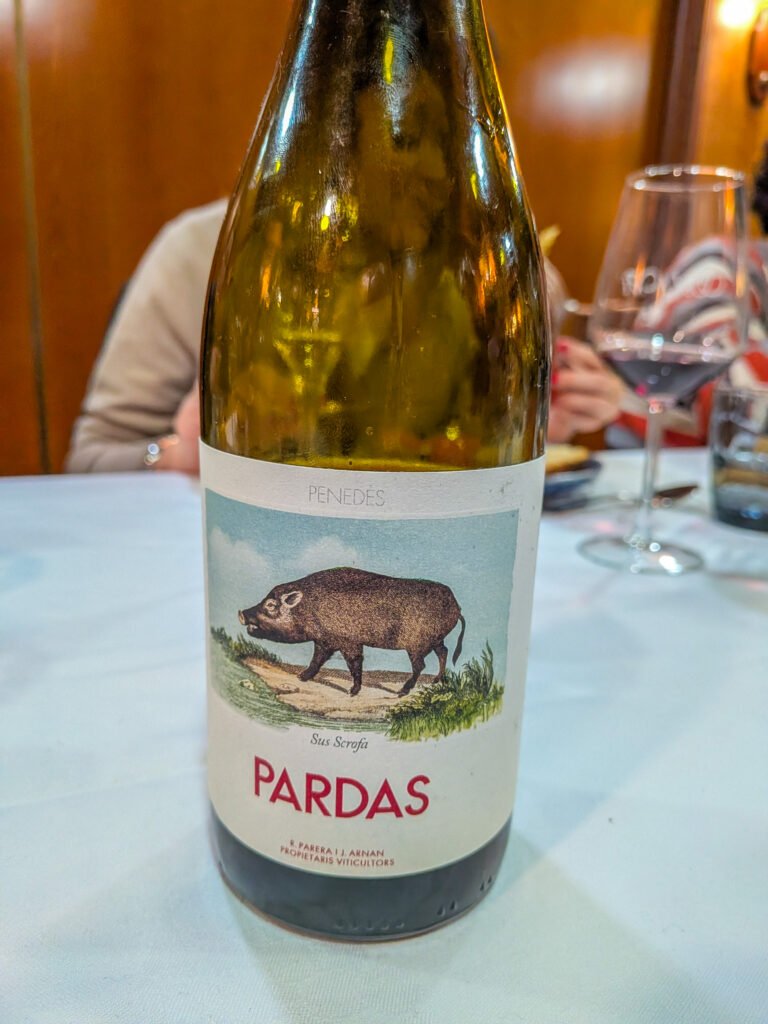
Another highlight was trying some other wines that are local to the area. The Pardas Sus Scrofa was a read wine made from the Sumoll grape variety, definitely one I had never heard of previously. Of course, there was also more Cava!
Vilarnau – Coupage workshop
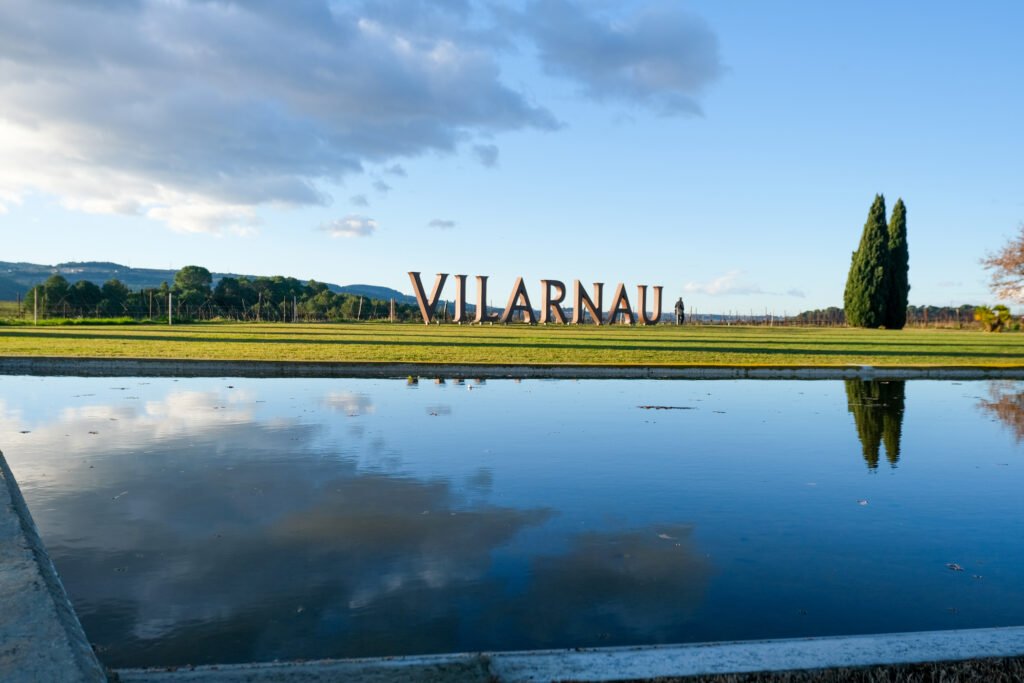
Day two got off to a brilliant start, as we travelled to one of the larger producers – Vilarnau. We were extremely luck that we were greeted and looked after by CEO and winemaker Eva Plazas Torné. We started with a tour of winery, which was vast. The estate covers around 20 hectares and is located around 250m above sea level. The winery produces around 1m bottles per year. The vineyard has Alluvial soils with layers of clay and limestone, which are typical of the region.
Inkeeping with the desire to be sustainable, the winery uses a natural well for water, which it also collects from rain, they use solar panels for electricity and a biomass boiler which uses the unrequired shoots from the vines. No gas or oil is used by the winery. The winery has been certified organic since 2016.
In order to preserve the freshness of the grapes, they are harvested at night when it is cooler. Once collected the grapes are destemmed and are kept cool until needed. The free run juice is seperated to make high quality wines. The first fermentation takes place over around 20-30 days at between 16 and 18°c. Chardonnay is usually the first grape to be harvested.
After a brief tour of the grounds, we visited the cellars, where we saw how technology was being used to package the bottles. One unique feature of this winery is that in addition to standard steel tank wines, they also produce some wines aged in chestnut barrels. Before oak became the global standard, chestnut barrels were common in Mediterranean regions, including parts of Spain, Italy and Portugal. The chestnut barrels add different flavours to oak, and tend to to be more nutty, more rustic and sometimes savoury in terms of the characters the add.
Chestnut also allows for greater oxygen exchange, meaning that tannins soften quicker and wines take on complex aromas and flavours from oxidation. This will add things like dried fruit flavours and light spice. The fact that chestnut has higher levels of hydrolysable tannins than oak means that there is usually greater structure in the base wines prior to the second fermentation.
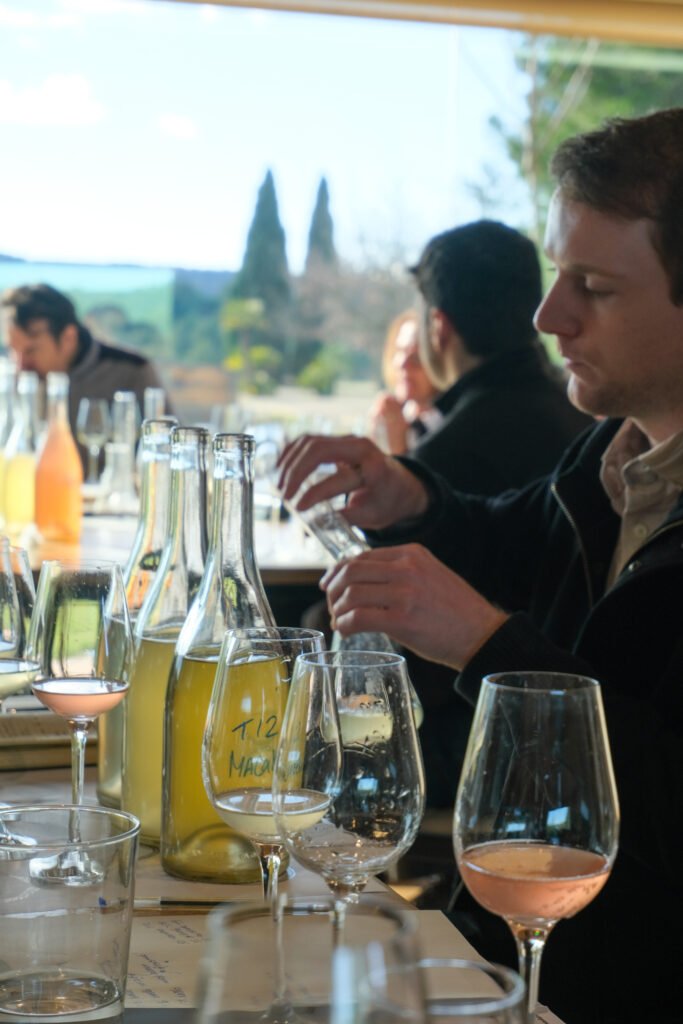
After the tour, came the main event. A Coupage workshop with Eva. Coupage is a winemaking term used mainly in Spain that simply means the blending of different wines to create the final wine. In Cava, it happens prior to the second fermentation. It was really easy to think about the factors which go into deciding which wines to blend. The include:
- Ensuring that the final base wine has an abv of no more than 9.5 – 11.5%
- Ensuring that the final base wine has a pH of between 2.8 and 3.3
- Considering how much of each base wine is available and whether there is enough to make the required number of bottles of wine
- Thinking about how the second fermentation will affect the flavours
- Thinking about how long aging the wines will affect the flavours and therefore how long to age them for (i.e. what category of Cava you are actually producing)
- Considering the level of acidity required to produce aged wines
- Considering the combination of flavours, aromas, and other characteristics each base wine adds to the blend
- Ensuring that the level of Tartaric acid is around 5
In our case we were trying to make 50,000 bottles of Cava and we were given free rein to decide what style, combination and age we wanted to make. We had 10 different base wines to choose from, so many possible blends were possible.
A gastronomic tasting
One of the incredible things about Cava is that there are many different styles, flavour profiles and sweetness levels which can be created. This means that it pairs with a surprising variety of both sweet and savoury foods. Our next visit was focused on understanding how Cava pairs with food. This took us to the mega Codorníu winery.
The winery is considered to be the oldest winery in Spain and dates back to 1551. The family proudly traces its history back through an impressive 18 generations. It was, however, not until 1872 that Josep Raventós made the first sparkling wine combining the three local grapes Macabeo, Xarel·lo and Parellada, effectively creating the first Cava. Today, the Codorníu brand is largely corporate and industrial, producing mass-market cava and wine globally.
However, the Raventós family runs separate estate projects focusing on both prestige organic Cavas and still wine production. They can be found under the Raventós i Blanc and Raventós d’Alella labels.
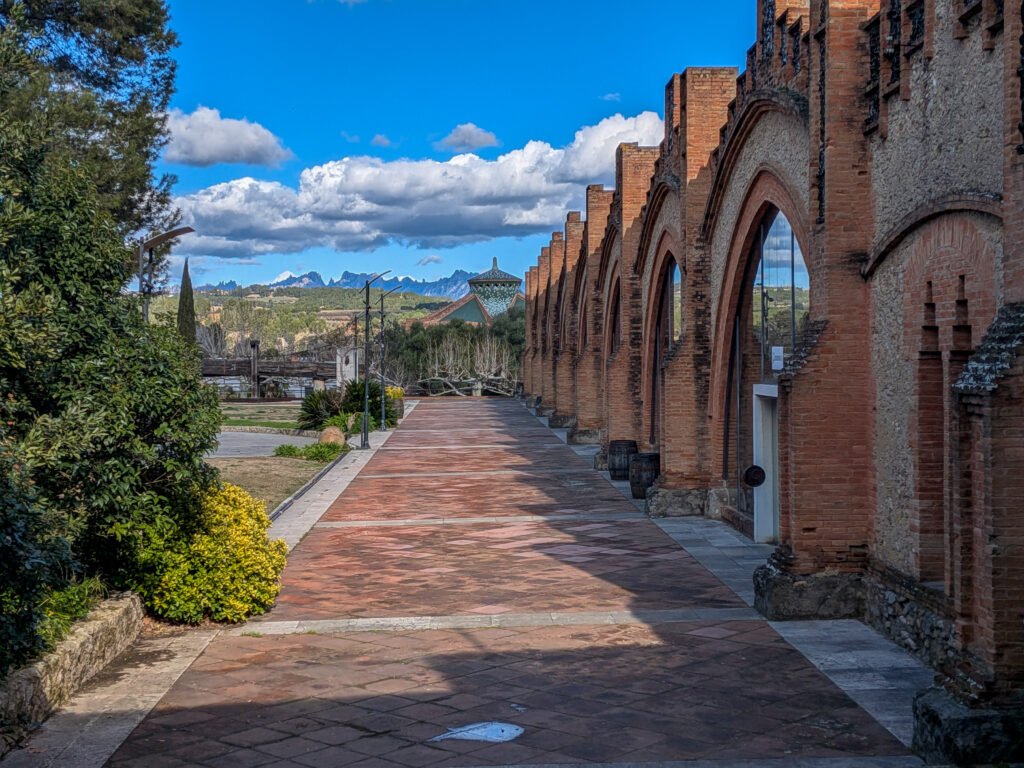
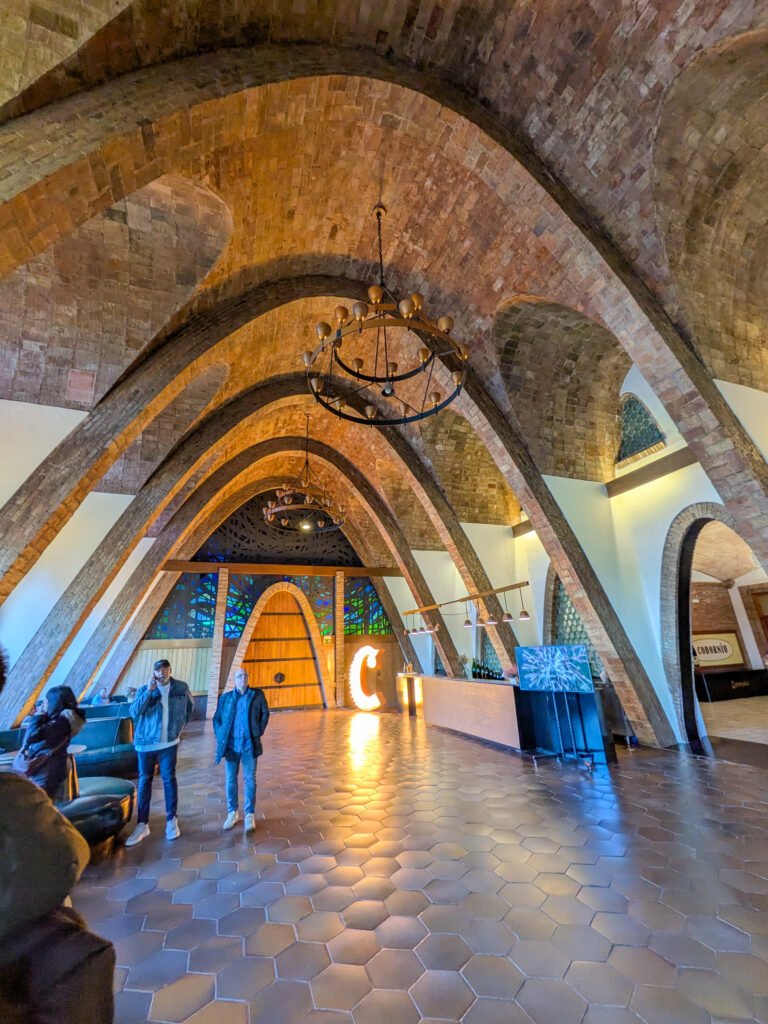
The first thing to say is that the winery is architectually impressive! The photo above shows one of the Cava warehouses with the mountains in the background. The buildings were designed by Josep Puig i Cadafalch, a contemporary of Antoni Gaudí and one of the leaders of Catalan Modernisme. They were declared a Spanish National Historic Monument in 1976. On entering the winery, visitors are greeted with an impressive hall (shown below) which makes interesting use of arches.
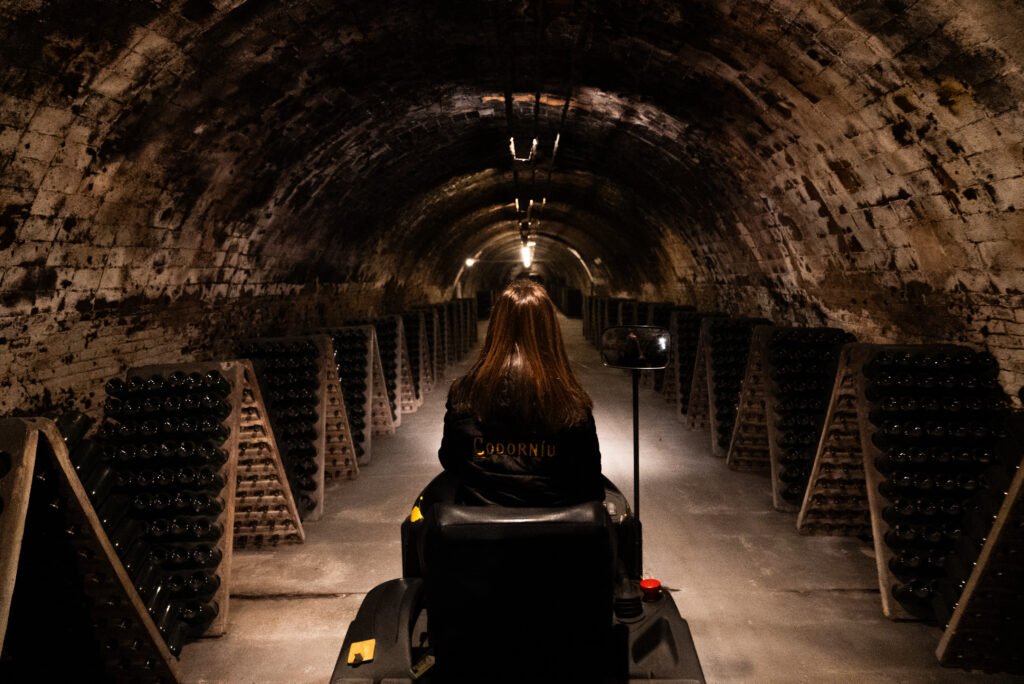
Secondly, the cellars beneath these impressive buildings are vast, running for tens of kilometers and housing over one million bottles of wine. Our tour included a trip down to the cellars where we were transported using an electonic train, driven by our tour guide.
It was really impressive to see how many bottles were stored. In some places there were literally walls of pallets of wine! It felt like we were only really scraping the surface of just how huge the cellars were, but even in that space it was hard not to be impressed by the scale.
After the tour, came the tasting. We were joined by key people from both the winery and the Regulatory Council for this special pairing lunch. The foods and wines were excellent demonstrating how Cava can pair with everything from fish to chocolate desserts.
While Codorníu is perhaps best known in the UK for entry level Cavas, I discovered a huge range of wines of all qualities including the magnificent Ars Collecta series of wines. One of the interesting things about Codorníu is that they only produce Brut Cava styles. Tasting some of these wines, along with the food reminded me that Cava is a great food wine, and that this is something we often forget.
The exam
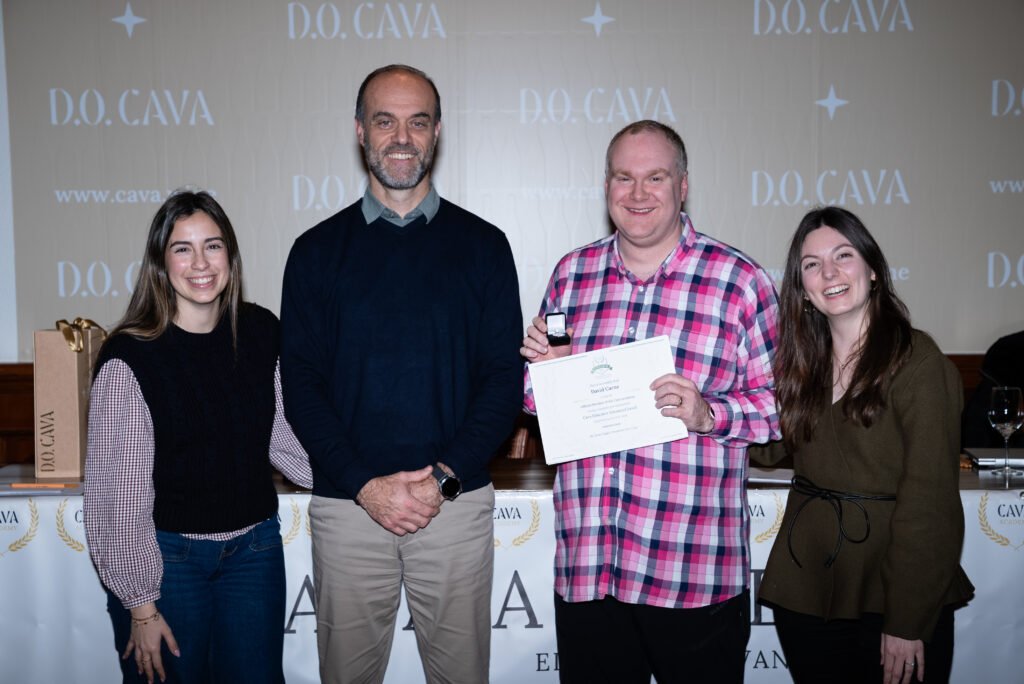
Following the visit we returned to the Regulatory Council for the final exam, where we were tested on the things we had learned over the two days. Afterwards we all waited nervously to find out if we had passed. Fortunately, we all had! We were then presented with our certificates and lapel pin badges by the team from the Regulatory Council. And of course we celebrated with a glass of Cava!
Final thoughts
For me the visit was truly a once in a lifetime experience. Sharing the experience with so many passionate wine experts and visiting so many great wineries over the two days was amazing. There is only so much you can learn about a wine region from books, but truly getting out into the places gives you a much better understanding. Hats off to the D.O. for offering this opportunity.
For me the takeaways from the visit were:
- Cava is a diverse collection of sparking wines, not a single style
- There are Cavas at all quality levels and some of them are truly magnificent
- Cava is best showcased in a Brut Nature style
- Cava is a great choice of wine to pair with food
- Cava is a surprisingly inexpensive high quality sparkling wine
- The D.O. is leading the way in sustainable winemaking which is highly commendable
- The care and craft which goes into creating Cava is only matched by the passion of the winemakers
- You really do have to go out of your way to find an unimpressive Cava (despite the fact that for pricing reasons there is more than a fair share of them on supermarket shelves in the UK)
And of course, now I am a certified Advanced Cava Educator!
A huge thank you to the D.O. team for organising such a brilliant experience and to all the people I shared it with for making it such a great visit.
I really hope you get a chance to visit Barcelona and the Cava region and to visit some of the amazing wineries to drink some of their fabulous wines. And as always, keep exploring this beautiful planet we live on, one glass at a time!