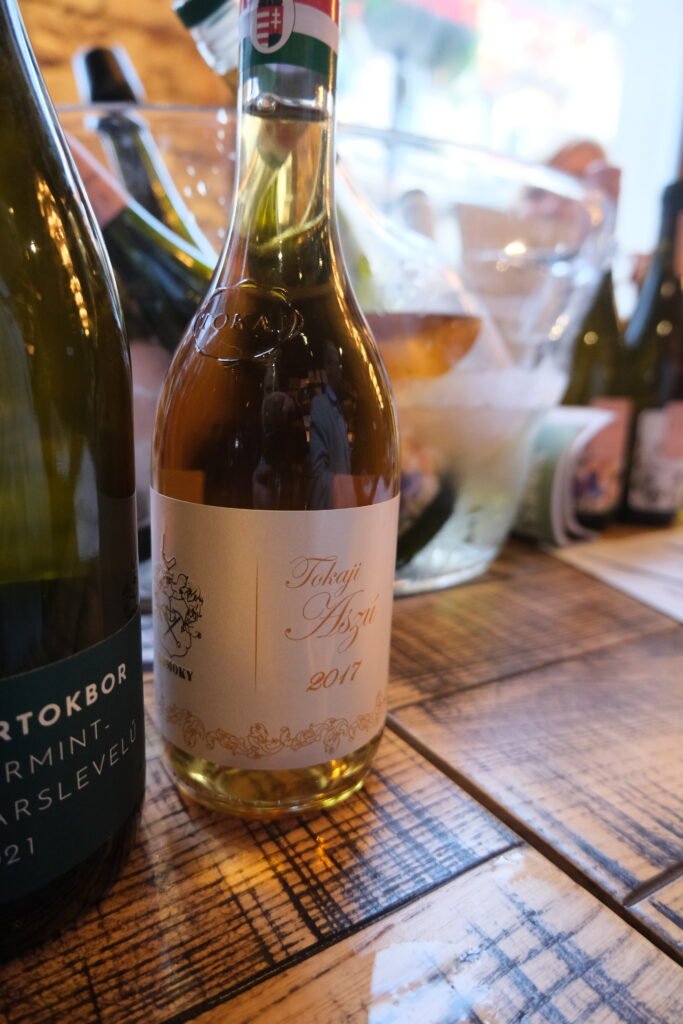
What is Aszú?
Sweet wines have, over time, begun to go a little out of fashion. Our tastes have tended to shift in the direction of dry wines, with lower sugar levels. For those in the know, the likes of Sauternes, Ice wine, or even Trockenbeerenauslese wines may be familiar with varying levels of sweetness and production methods. But long before these wines were being made, in a small part of central Europe winemakers were developing sweet wines known as Aszú.
While today, the region most well known for Aszú is the Tokaj region of Hungary, the story is a little more complicated. The Tokaj region is located in Northern Hungary, just 60km or so from the border with Southeastern Slovakia. A small, 908-hectare section of the historical Tokaj region extends across the border into Slovakia, and the region is actually also authorised to produce a product in the Aszú style known as Tokajský.
The Tokaj region became one of the first formally classified wine regions in the world when vineyard classifications were introduced in the early 1700s, predating the famous Bordeaux classification by more than a century. And the sweet wines produced there were declared by Kings to be ‘The Wine of Kings, the King of Wines’ – King Louis XIV of France. However, today, while we are sometimes familiar with Sauternes, Tokaj wines are often one of the best kept secrets in the world.
A defective wine?
What makes Aszú particularly interesting as a wine is that the reason it is sweet might also be considered to be a fault. The weather conditions in this region create a unique phenomenon which helps a form of rot (Botrytis cinerea) to develop on the grape. The misty, humid mornings cause the spores of the fungus to cling to the grape skin. The fungus grows microscopic filaments that pierce the skin. However, the afternoons in this region are often warm and sunny which mean that the liquids in the grape which escape through these tiny holes evaporate, causing the grapes to shrivel.
Over time the loss of moisture means that the grapes shrivels and can lose up to 60% of their weight. Because the water is gone but the sugars, acids, and minerals remain, the ratio of sugar-to-water becomes incredibly high, resulting in a hyper-concentrated grape. This is where the sweetness comes from. The fungus doesn’t just evaporate water; it also consumes the grape’s tartaric acid and creates glycerol, which adds a lush, syrupy mouthfeel and flavor complexity to the wine. The metabolic stress the grape experiences causes it to produce special aroma compounds. This gives the resulting wines iconic, complex tasting notes of honey, apricot, ginger, and beeswax.
One of the great challenges this process presents is that the berries do not all get affected at the same time. This then presents a potential risk, because left too long, the berries will develop grey rot which essentially ruins the grapes. So this then means that when it comes to harvest grapes have to be individually picked from the bunches at just the right time.
Aszú then is a wine which is not only rooted in a specific region and terroir, but also relies heavily on a particular harvesting (and as we will see in a future article production) technique. The resulting wines are concentrated, intense, full bodied and, of course, sweet.
Sweet but acidic
It is not only the sugars which are concentrated through the process of the evaporation of the liquids, but also the acids. Typically the grape varieties used to make Aszú wines are high in natural acidity anyway. This combination of high acid and further concentration means that, despite being very sweet, the wines are also balanced with searing acidity. Normally a wine with this level of sweetness might be experienced as flabby, but the acidity keep these wines tasting fresh.
I have written elsewhere about some of the other styles of sweet wine which are produced in Tokaj utilising different production techniques. These varied techniques mean that despite the sugar concentration achieved in the berries, some wines of Tokaj are actually made into dry or off dry styles, as well as sweet wines. All share this hallmark searing acidity.
In recent years, there has been a growing realisation that Tokaj grapes, and their hallmark acidity, actually lend themselves very well to making sparkling wine. Sparkling wines are usually not produced from affected noble rot grapes, but are made from the same varieties. It is this acidity which distinguishes Aszú from the much more creamy and lush textures found in a Sauternes, instead making it a more refreshing and bright wine.
In this series we will uncover the distinctive features of Aszú, exploring the terroir, varieties and styles which make Aszú unique. Hopefully you will discover why Aszú is so beloved in Central Europe. And in the meantime, keep on exploring this beautiful planet we live on, one glass at a time.